1976 Drummer Boy Quarter 2026 Update: The 1976 Drummer Boy Quarter is making serious waves again in 2026. What was once simple pocket change is now being carefully examined by collectors across the country. While millions of Bicentennial quarters were produced, only a small percentage carry the kinds of mint errors, silver content, or exceptional condition that can turn them into valuable collector pieces.
The key difference between a common quarter and a high value one lies in the details. Mint mark, metal composition, strike quality, and grading all play a crucial role. Below is a complete, structured breakdown designed for collectors who want clear, accurate information without confusion.
Historic Bicentennial Design That Stands Out
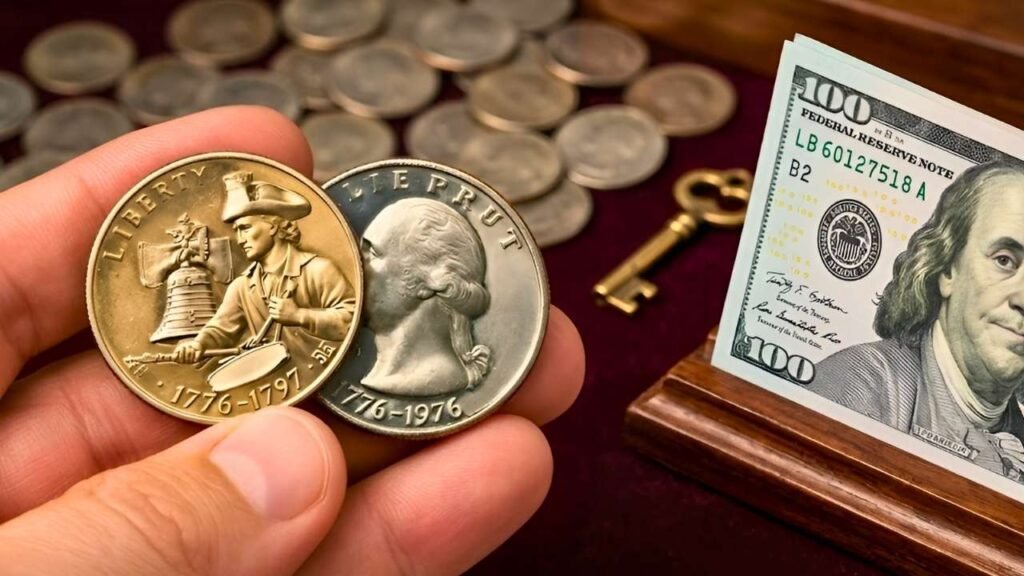
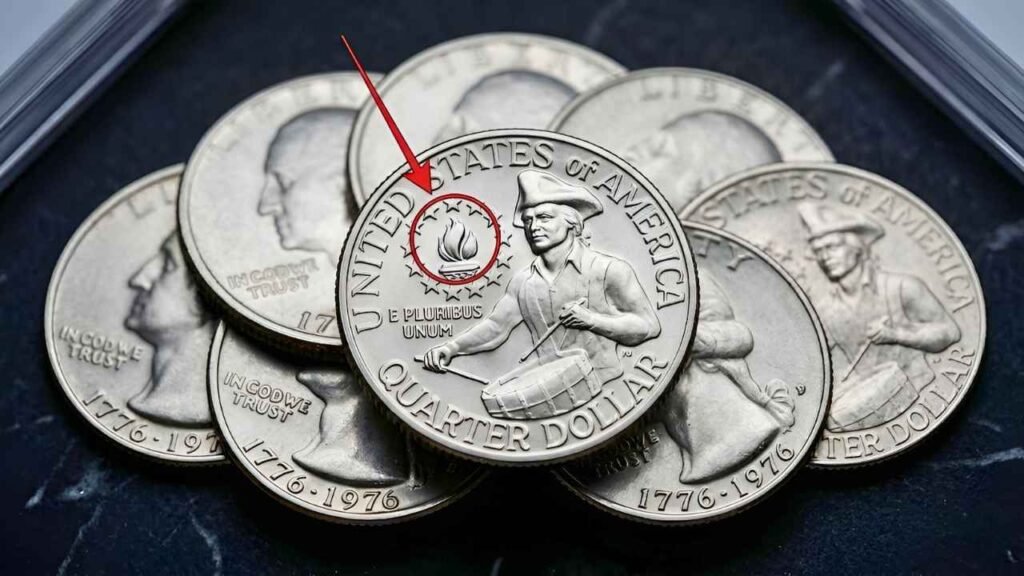
The 1976 quarter was issued to celebrate 200 years of American independence. Instead of the traditional eagle on the reverse, it features a colonial drummer with a victory torch and thirteen stars. The obverse retains George Washington’s portrait but displays the dual date 1776–1976.
This one time design change makes the coin historically important. Because it was produced only for the Bicentennial celebration, it remains one of the most recognizable modern U.S. coins ever released.
Official Coin Specifications Explained Clearly
Understanding exact specifications is essential when identifying silver versions or unusual varieties. Below is a properly structured reference table for clarity.
1976 Bicentennial Quarter Specifications
| Feature | Standard Clad Version | 40% Silver Version |
|---|---|---|
| Year | 1776–1976 | 1776–1976 |
| Mint Locations | Philadelphia, Denver | San Francisco |
| Mint Mark | None (P), D | S |
| Weight | 5.67 grams | 5.75 grams |
| Composition | Copper-Nickel Clad | 40% Silver |
| Diameter | 24.3 mm | 24.3 mm |
| Edge | Reeded with visible copper stripe | Reeded solid silver edge |
| Finish Types | Circulation strike | Proof and Uncirculated |
If your coin shows no copper stripe on the edge and weighs closer to 5.75 grams, it may be a silver variety.
Silver Quarters With Higher Premium
The San Francisco Mint produced special 40 percent silver Bicentennial quarters for collector sets. These were not widely circulated, which increases their desirability today.
Important silver identification checklist:
• S mint mark
• Solid silver edge color
• Slightly heavier weight
• Often found in proof condition
High grade silver versions in certified holders often sell at a strong premium compared to regular clad coins.
Rare Mint Errors Creating Real Value
Mint errors are what truly drive major price jumps. These errors occur during production and are not intentional.
Here are the most valuable error types seen on 1976 quarters:
• Double die obverse with visible letter doubling
• Off center strike with clear readable date
• Clipped planchet errors
• Wrong planchet strikes
• Die cracks or dramatic die breaks
Strong, clearly visible errors are significantly more valuable than minor imperfections.
Double Die Details To Watch
Double die errors are especially sought after. This occurs when the die strikes the coin more than once slightly misaligned, creating a shadow like doubling effect.
Common doubling areas include:
• LIBERTY
• IN GOD WE TRUST
• The dual date
• Drum details
Verified double die examples can reach hundreds or even thousands of dollars depending on condition.
Grading Levels And Market Value Table
Condition dramatically impacts value. Millions circulated heavily, making pristine examples harder to find.
2026 Estimated Market Value By Grade
| Grade | Description | Approximate Value Range |
|---|---|---|
| Circulated | Visible wear | Face value |
| AU | Slight wear, strong detail | $1 to $5 |
| MS63 | Mint State moderate marks | $5 to $15 |
| MS65 | Gem Mint State | $20 to $60 |
| MS67 | Premium condition | $200+ |
| MS68 | Rare top grade | $1,000+ |
Values vary based on demand, certification, and whether the coin is clad or silver.
Proof Coins With Mirror Finish
Proof Bicentennial quarters were struck using polished dies and planchets, resulting in deep mirror like surfaces. These coins were made for collectors and carry the S mint mark.
Proof features include:
• Highly reflective surfaces
• Sharp design contrast
• Strong strike quality
• Usually preserved in original packaging
Silver proof coins in high grades remain especially popular in 2026.
Common Myths About No Mint Mark
Many viral posts suggest that a missing mint mark means rarity. For 1976 quarters, Philadelphia coins were produced without a mint mark. This is normal and does not automatically increase value.
True value depends on:
• Error confirmation
• Silver composition
• High certified grade
• Market demand
Understanding these factors prevents unrealistic expectations.
Smart Evaluation Checklist For Owners
Before selling or listing your coin, follow these careful steps:
• Do not clean the coin
• Weigh it using a precise scale
• Inspect under magnification
• Compare with verified examples
• Consider professional grading
Cleaning can permanently reduce value, even for rare pieces.
Final Word: 1976 Drummer Boy Quarter 2026 Update
The 1976 Drummer Boy Quarter remains one of the most iconic modern U.S. coins. While the majority are common and worth face value, specific silver versions, strong mint errors, and ultra high grade specimens are creating serious interest in 2026.
Collectors who focus on verified errors, certified grading, and accurate research are the ones finding real opportunities. The difference between a twenty five cent coin and a four figure collectible often comes down to careful inspection and proper authentication.